
Alongside the swimming
Water safety, taught as missions
Six awards. Children don't sit and listen to a talk about being safe near water — they rescue someone, they float until they've got their breath back, and eventually they swim in their clothes.
We teach what being safe in water actually means, and what to do if they ever fall in and find themselves in difficulty — how to get themselves to safety.
"We hope it never happens. But forewarned is forearmed."
Every child doing levelled lessons works through these alongside their swimming. They don't replace it, and they aren't an extra you pay for.
Water safety 1
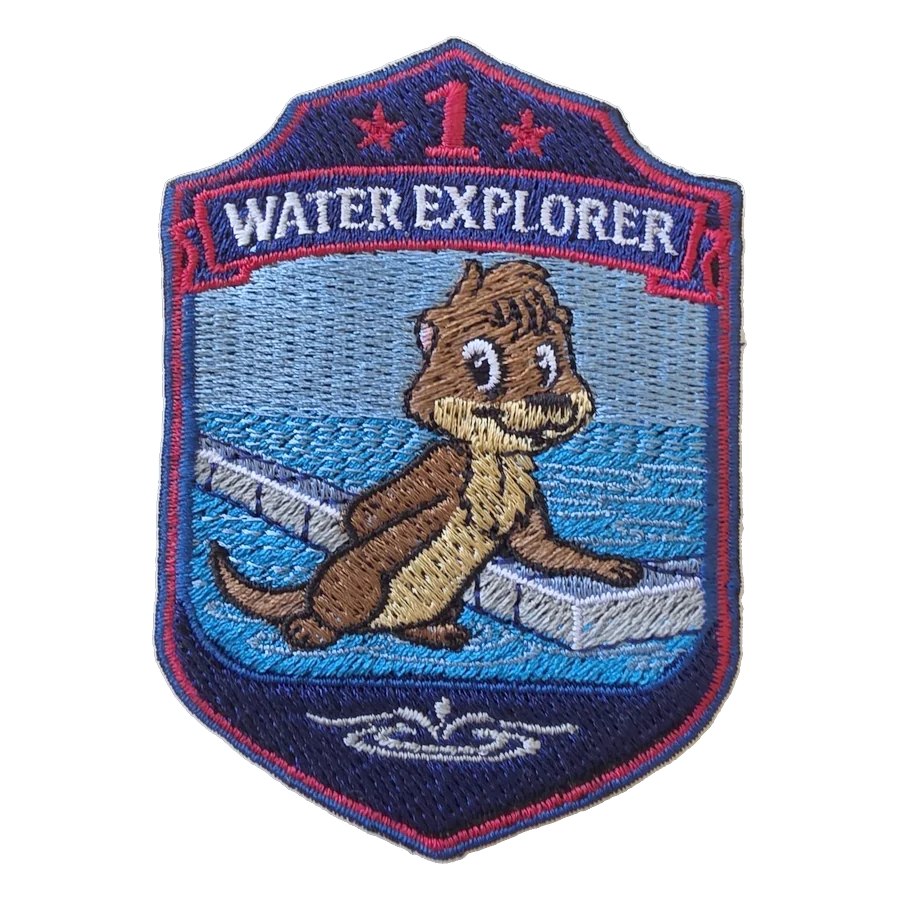
Water Explorer
"I know the pool and how to move around it safely."
Finding your way around, knowing the rules, and the first rescues. It feels like a game rather than a lesson, which is the point.
The missions
Pool Patrol
Learning their way around the pool and spotting what's safe and what isn't. Children work as pool inspectors.
Safe In, Safe Out
Getting in and out properly, before any swimming happens — including why we don't jump in.
Rescue the Otter
Being rescued, and staying calm while it happens. It starts with toys and builds up to the children themselves.
Rules Rule!
Stop signals, waiting your turn, and knowing who the helpers are. Played as a game.
What they'll be able to do
- Travelling around the pool edge to a target
- Getting into the water safely, with support
- Getting out of the water safely, without using the steps
- Holding the poolside and moving hand over hand
- Being rescued with a woggle
- Helping to rescue a toy from the poolside
- Answering basic questions about pool safety
- Telling the difference between safe and unsafe behaviour at a pool
Water safety 2
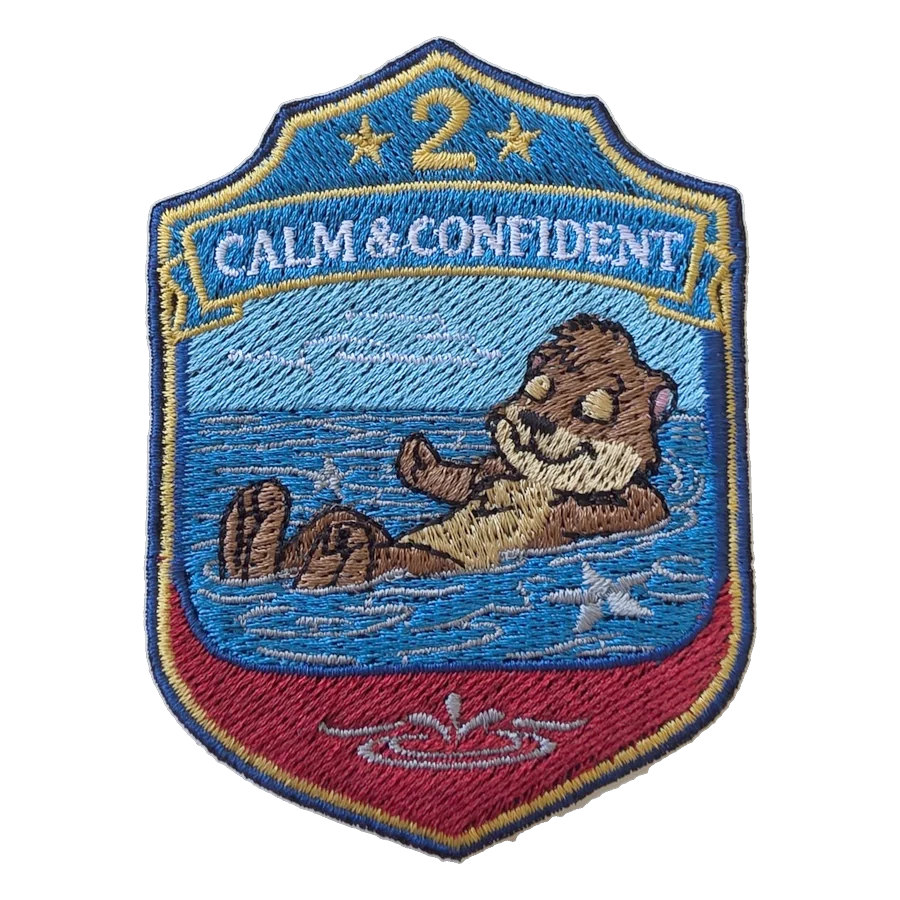
Calm & Confident
"I stay calm and get myself safe."
Floating, breathing and staying calm. The level where a child learns that floating is how you rest.
The missions
Starfish Calm
Floating on their back and breathing calmly. A relaxed face matters more than how long they hold it.
Float to Safety
Putting it together — float to rest, move to the edge, hold on and recover.
Help Is Coming
Waiting for help rather than grabbing for it. Never rushed.
Why It Works
Understanding it, not just doing it. 'What helps you rest?'
What they'll be able to do
- Turning onto their back with support
- Floating on their back to rest, swapping between a star float and a pencil float
- Getting their breathing back under control after activity
- Travelling to the pool edge after floating
- Holding the poolside to recover
- Being rescued calmly with a woggle or torpedo
- Staying calm and listening during a rescue
- Explaining why floating helps when you're tired
Water safety 3
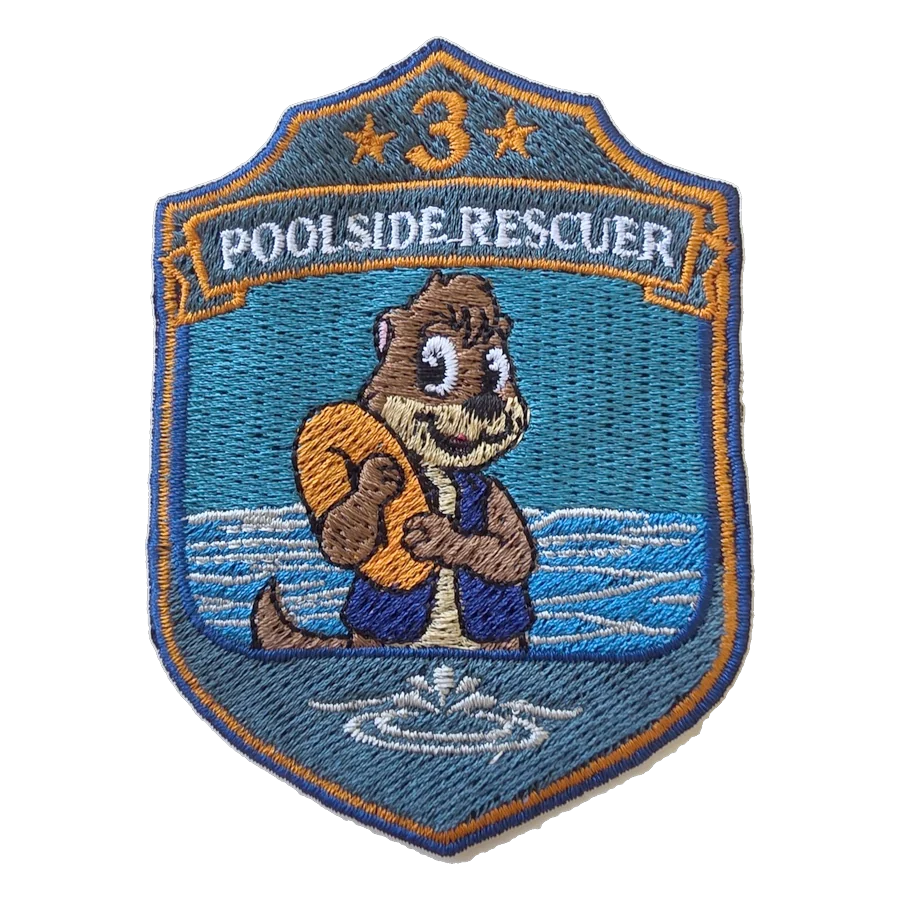
Poolside Rescuer
"I can help."
Where treading water starts, and where children find out they can be the one who helps.
The missions
Rescue Ranger
Reaching out with a woggle without going in themselves. Stay low, don't lean. Children love this one.
Call for Backup
Shouting for help clearly, with eye contact. Confidence matters more than volume.
Stay Afloat
The first treading water. Short goes, with floating to rest in between.
Spot the Danger
What could go wrong here? Asked as questions, never as a scare.
What they'll be able to do
- Travelling confidently around the pool edge
- A reach rescue with a woggle
- Rescuing a friend or a teacher from the poolside
- Calling clearly for help during a rescue
- Treading water for a short set time
- Floating to rest after treading water
- Getting out of the water confidently without the steps
- Spotting hazards around the pool
Water safety 4
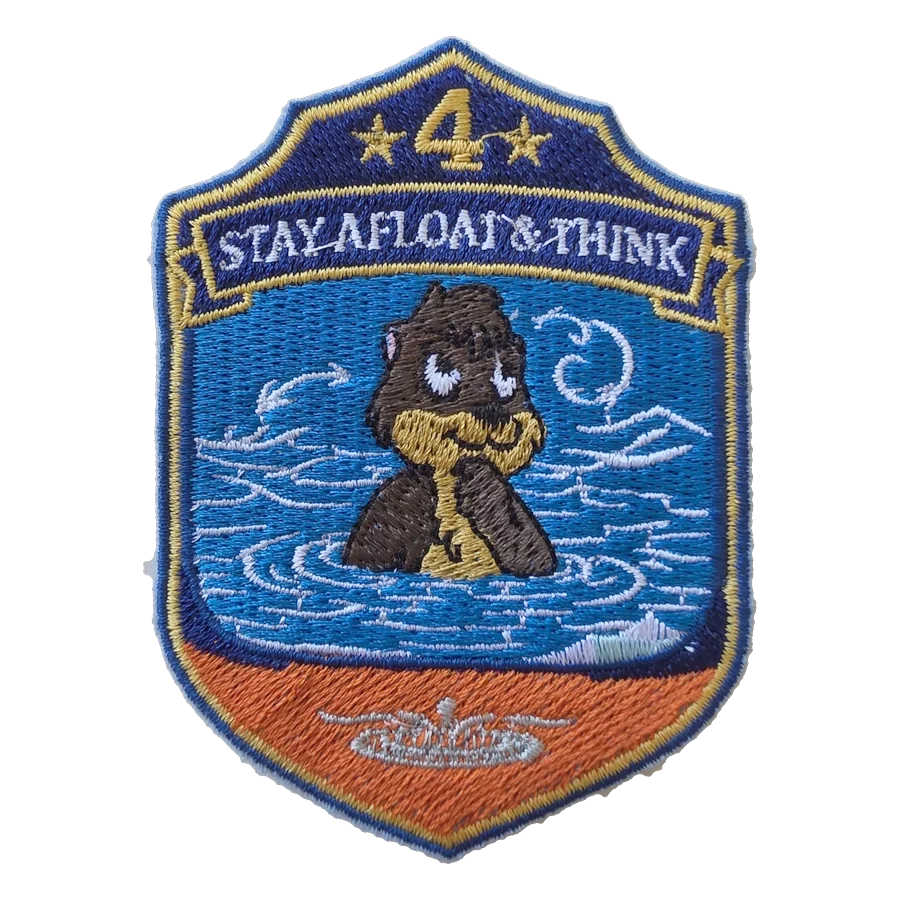
Stay Afloat & Think
"I manage myself when things get harder."
Where sculling comes in, and where the skills start meeting the thinking.
The missions
Otter Endurance
Treading water for longer. Rhythm rather than panic, with rest breaks always allowed.
Float or Tread?
Deciding which one to use and saying why. Different answers can both be right.
Cold Water Crew
The HELP position and the group huddle. Taught on dry land first, calmly and factually.
Think First
What would you do? Children talk it through, and are guided rather than corrected.
What they'll be able to do
- Treading water for longer
- Swapping between treading water and floating
- Holding their position with basic sculling
- Sculling to move a short distance
- The HELP position
- The Huddle position
- Explaining when to float and when to tread
- Making safe choices in scenario challenges
Water safety 5 · taught in clothing
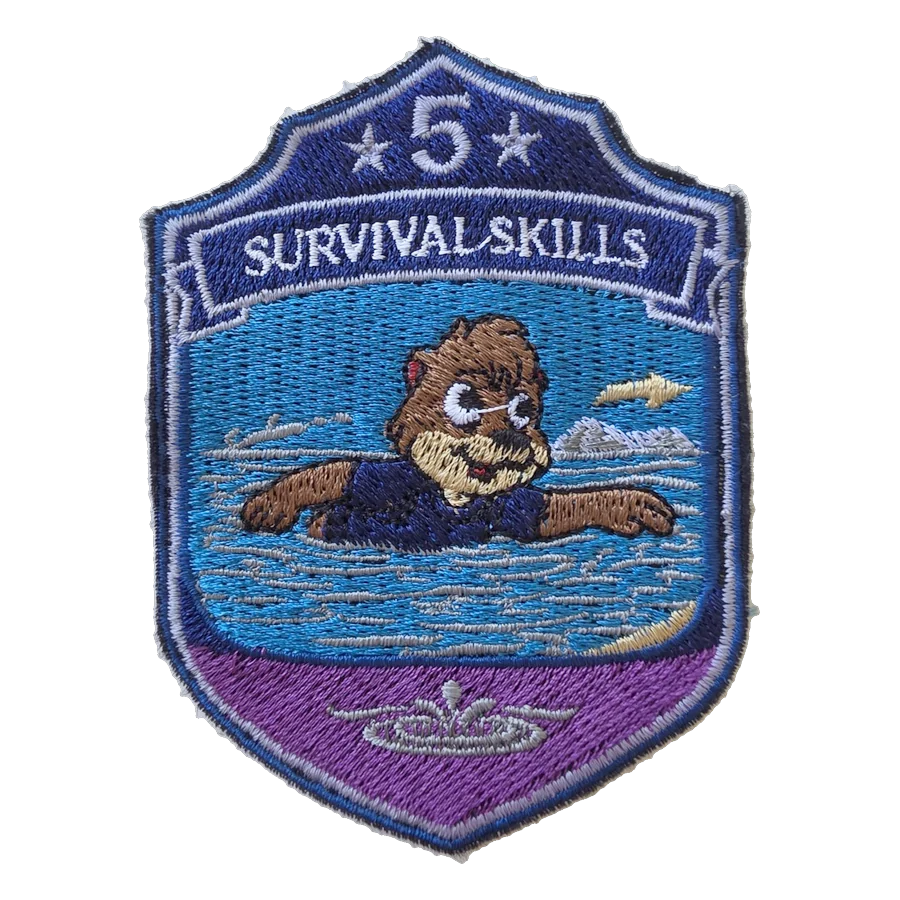
Survival Skills
"I can cope with unexpected situations."
Swimming in clothes. Children learn to swim, float and get out fully clothed, in a controlled and gradual way, so that falling in isn't the first time they've felt it.
The missions
Clothes Challenge
The first time in light clothing — swimming, floating and treading. Prepared well in advance, calm movement only.
Get Safe
Taking clothing off in the water and swimming on. Slow, long breaths, never rushed.
Get Out Safe
Getting out fully clothed when you're tired. Technique and thinking, not strength.
Rescue Relay
Reach and throw rescues. Targets first, then people, with roles rotating.
Unexpected Entry
Practising what happens if you slip. Explained first, demonstrated first, one child at a time.
Reach Safety
Swimming a set distance clothed. Controlled movement to safety, never a race.
What they'll be able to do
- Swimming short distances in light clothing
- Floating to rest in clothing
- Treading water in clothing
- Recovering calmly after an unexpected entry into the water
- Swimming a set distance in clothing to reach safety
- Taking clothing off safely while in the water
- Swimming to a safe exit after taking clothing off
- A reach rescue and a throw rescue, accurately and safely
Water safety 6 · taught in clothing
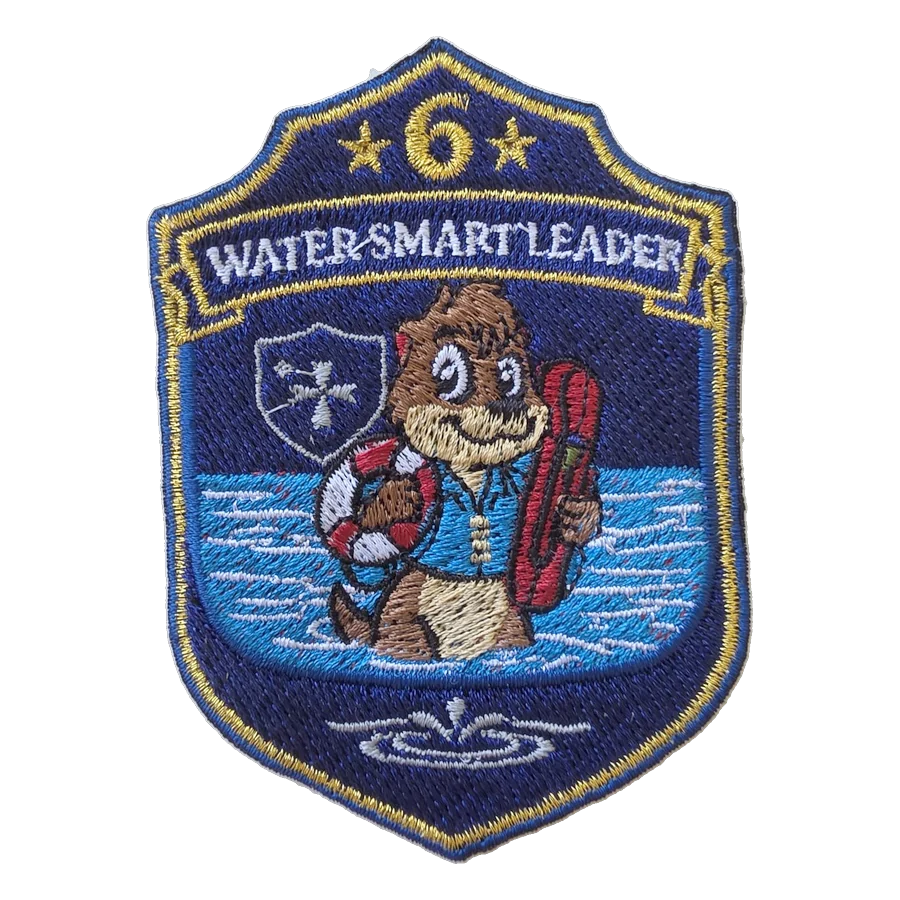
Water Smart Leader
"Think. Act. Survive. Lead."
The top award. Everything together, in clothes, under mild pressure, with other children depending on them.
The missions
Strong Entry
The straddle entry. One child at a time, control before confidence.
Master Control
Sculling and extended treading, in clothing, and deciding whether to get the clothes off or get out in them.
Otter Survival Games
The whole thing linked — an unexpected challenge in clothes, recover, swim to safety, get out, signal for help and check on others.
Rescue Boss
Rescues with rope, woggle and torpedo, swapping between being the rescuer and the casualty.
Save Fred
A rescue dummy that sits on the pool floor. The child works out how to reach him, brings him up and tows him to safety. It asks for judgement as much as swimming, and finishing it means a great deal to them.
Clothed Survival Swim
A longer swim in clothing, starting tired, choosing their own route to safety.
What they'll be able to do
- A safe straddle entry
- Treading water for an extended time
- Sculling to hold and control their position
- Swimming underwater to navigate to safety
- A rescue using a rope, woggle or torpedo
- Being rescued by several different methods
- A full survival sequence on their own
- Leading or supporting others in safety challenges
Why they swim in their clothes
Children learn to swim, float and get out of the water fully clothed, calmly and in stages. It prepares them for the real thing — falling in when you weren't expecting to, in whatever you happened to be wearing.
Nobody is dropped in the deep end in a coat. It's built up gradually, starting with something light, always explained first and always demonstrated first. A child who doesn't want to is never made to — watching is still learning.
Almost nobody falls in wearing a swimming costume.